
As a young resident who has long been testing home space optimization and iterating storage solutions, I’ve unlocked the underlying logic behind lasting home tidiness through constant trial, error and renovation. For a long time, like most people, I fell into the same life misconception: our living space keeps getting messy, neatness never lasts, and daily housework drains us mentally and physically. We used to attribute this problem to too many belongings and neglect of regular cleaning. But after multiple rounds of whole-home renovations, comparisons and reviews of old and new storage systems, I’ve reached a groundbreaking conclusion: the core cause of persistent mess in modern homes is not poor living habits. Instead, it lies in outdated frameworks of traditional storage systems, lagging adaptation logic and excessive maintenance costs, which fail to fit the refined, smart and aesthetic living scenarios preferred by today’s young generation.
Traditional storage systems are products of the slow-paced lifestyle era. Designed with simple, utilitarian goals, they only maximize cabinet storage volume. Short-lived visual neatness is achieved by stacking items and constant manual tidying. This old model that prioritizes capacity over order, stacking over experience, has long fallen out of sync with young people’s modern lifestyles. Nowadays, household goods are highly segmented: smart gadgets, trendy lifestyle items, premium beauty and skincare products, and daily commute accessories update rapidly. Life is fast-paced, leaving limited leisure time. Meanwhile, young people’s demands for homes go far beyond basic storage. We crave well-defined space lines, unobstructed visual openness, efficient circulation, and premium living aesthetics with low-effort, long-term maintenance. Rigid fixed cabinets, crude zoning rules and reactive tidying mindsets trap countless young people in a never-ending housework loop — tidying only leads to rework, and neatness cannot be preserved. This completely strips our home of its intended relaxing and healing vibe.
Before exploring Z Generation’s mainstream tech-aesthetic storage solutions, I was troubled by the flaws of traditional storage, and my sense of well-being at home kept declining. I once believed a clean home could only be maintained through self-discipline and hard work. To this end, I sacrificed large amounts of rest time each week sorting clutter, folding clothes and cleaning hard-to-reach corners. However, neatness maintained by manual labor has inherent flaws: low fault tolerance and poor stability. With normal daily use, spatial order collapses within just a few days. Endless ineffective housework keeps draining energy, turning our home — a sanctuary meant for relaxation — into a source of exhaustion and anxiety.
It was not until I completely abandoned the ingrained traditional storage mindset passed down from older generations, ditching stacking, passive concealment of mess and manual backup maintenance. Drawing on modern industrial modular structures, hidden space layout, ergonomic circulation optimization and low-effort long-term maintenance principles, I fully reconstructed my whole-home storage system. After this systematic space upgrade, I broke free from the passive cycle of “earning tidiness with hard work”. No frequent trivial upkeep or repeated rearranging of items is needed. Thanks to proactive scientific space design to establish order, the whole home maintains clean lines, consistent layers and premium texture over the long run. Written from my first-person long-term testing perspective, this article adopts the objective, rigorous and detail-focused tone of tech reviews. It deeply analyzes the fundamental shortcomings of traditional storage, iterative advantages of modern tech-style storage, renovation details of key rooms and real long-term living experience. It fully explains why this new storage concept has gone viral among young homeowners.
Before rolling out the new storage solution, my home was a typical example showcasing the drawbacks of conventional storage in regular residences. Old-style home storage design only focused on expanding cabinet capacity, blindly installing bulky cabinets and fixed standard shelves. It merely met the basic need of storing things, ignoring four core experience dimensions: space utilization, ergonomics, visual aesthetics and cleaning efficiency. Fixed shelf gaps cannot flexibly adjust according to the size, shape and usage frequency of daily supplies, creating plenty of fragmented dead space inside cabinets. While there seems to be abundant cabinet and storage space around the house, the effective utilization rate is extremely low. A great deal of indoor space is wasted, and overall storage efficiency fails to meet modern residential standards.
As the core resting and storage zone in the home, bedrooms bear the most prominent structural flaws of old-style storage. Traditional wardrobes lack a gradient storage system categorized by usage frequency, seasons and scenarios. Daily outfits, off-season clothing, bedding and small accessories are all piled and mixed together. Poor ventilation in enclosed storage spaces traps moisture. Clothes stored for long easily collect dust, develop odors and get moldy. Stubborn wrinkles from stacking also accelerate fabric wear and aging. Each morning when picking out outfits, even minor rummaging disrupts the whole wardrobe layout. Restoring order afterwards is time-consuming and labor-intensive, greatly slowing down daily routines. It cannot keep up with young people’s demand for lightweight, efficient lifestyles.
The entry foyer acts as the first visual impression of the entire home, yet old storage designs suffer from severe functional shortages and outdated aesthetics. Conventional low shoe cabinets feature simple structures, blank zoning and single functions. They only satisfy basic shoe storage and cannot accommodate diverse modern living scenarios for commuting, outings and small-item storage. Frequently carried belongings such as access cards, keychains, wireless earbuds, backpacks, umbrellas and small parcels lack dedicated storage spots, ending up stacked on countertops or scattered on the floor. This makes the entry look cluttered, visually heavy and depressing. It loses the clean, minimalist and premium feel of modern homes and drastically ruins the entry living experience.
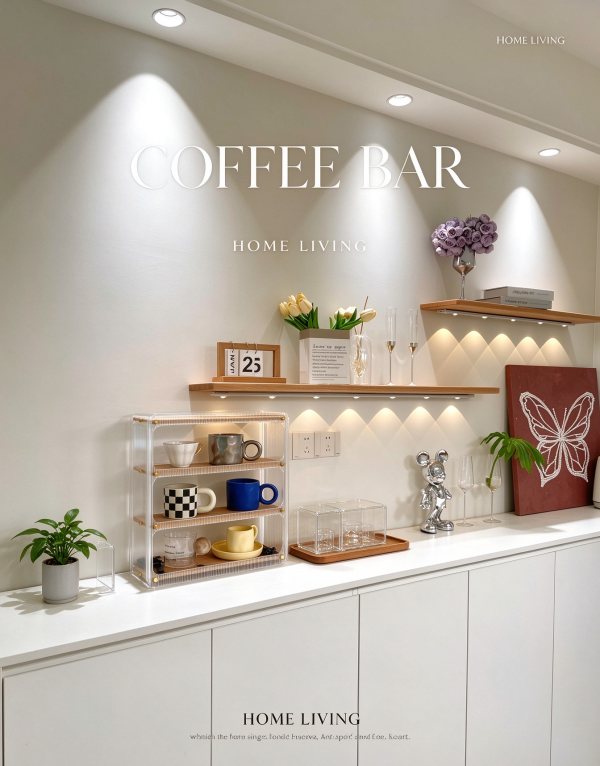
The living room serves as the core zone for leisure, socializing and unwinding at home, where the drawbacks of crude traditional storage get fully exposed. Bulky floor cabinets, cluttered decorative ornaments, tangled digital cables and scattered household supplies constantly eat into usable floor space and reduce visual breathing room, leaving the whole space dull and oppressive. Old-fashioned storage only conceals surface mess, acting as a superficial fix that treats symptoms rather than root causes. It fails to organize daily circulation or eliminate dust traps at the structural level of the room. Cabinet gaps, wall corners and undersides of furniture collect grime year-round. Cleaning becomes a tedious chore, and the neatness achieved by manual tidying is highly unstable — clutter quickly bounces back.
The kitchen and bathroom, two high-frequency essential functional areas, bear the brunt of flawed traditional storage design and are the main source of housework burnout for young homeowners. In traditional kitchens, cookware, tableware and condiment bottles are habitually laid bare across countertops, crowding the primary cooking zone and disrupting smooth workflow. Exposed items easily pick up stubborn grease, making wiping and post-meal cleanup laborious and time-consuming, which greatly ruins the cooking experience. In bathrooms, skincare, beauty and cleaning supplies are piled haphazardly, with unclear wet-dry separation. Water stains build up over time, and the damp enclosed space breeds bacteria and mold. This spoils the space’s aesthetic and directly endangers household hygiene and residents’ health.
After long-term side-by-side testing of old and new solutions, I’ve fully uncovered the root cause of recurring household mess: persistent clutter in living spaces never stems from bad living habits of residents, but fundamental logical flaws built into traditional storage systems. Traditional storage is reactive, a band-aid solution that relies on human effort to fight disarray. It comes with high maintenance costs, poor stability and an extremely high clutter relapse rate. By contrast, the tech-aesthetic storage favored by young generations proactively creates order through pre-planned layouts. Scientific spatial structural design prevents mess from forming at the source and drastically cuts down manual upkeep. This marks the key generational gap between old and new storage models.
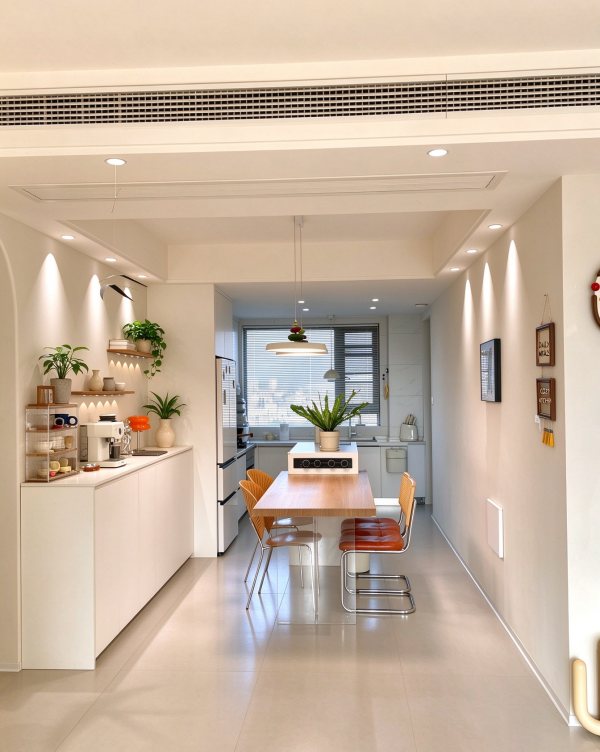
The new storage design that has gone viral among young people and maintained outstanding reputation over the past two years outperforms traditional home renovation solutions completely, thanks to three transformative upgrades: technological refinement, aesthetic optimization and low-maintenance efficiency. Ditching the flaws of old-style home decoration — bulky stacking, redundant complexity and outdated aesthetics, this new storage style integrates modern minimalist industrial aesthetics, dynamic modular frameworks, human-centric living circulation and hidden organizing techniques. It breaks free from the old constraint of “people adapting to fixed spaces” and delivers a brand-new living mode where spaces adapt to your lifestyle. With refined functional zoning, dynamically adjustable structures, ample visual negative space and low-upkeep construction, it precisely meets young residents’ demands for fast-paced, lightweight, good-looking homes with minimal housework, creating modern living spaces that stay tidy long-term and feel relaxing and soothing.
During the whole-home renovation, I strictly followed the core principles of tech-aesthetic storage to carry out fine-grained upgrades for the five key zones: foyer, living room, bedroom, kitchen and bathroom. I rebuilt the spatial order of the entire house, bringing about a world of difference between the pre-renovation and post-renovation living experience.
For the foyer, I completely replaced the traditional low shoe cabinets with floor-to-ceiling, handleless integrated modular cabinetry. Seamless flat cabinet doors blend naturally with the wall. Minimal geometric lines reduce the bulky visual weight of the cabinet, creating an open, clean look with understated premium tech texture. The cabinet adopts a three-tier storage logic: the top enclosed tall cabinet is dust-proof and light-shielding, storing infrequently used items such as off-season footwear and stocked supplies. The middle open zone with built-in lighting serves as a dedicated area for frequently accessed small belongings, so daily essentials for outings have fixed spots for easy grab-and-go use. The suspended bottom section leaves clearance for smart cleaning robots and holds everyday shoes, eliminating floor clutter and dust traps entirely. Meanwhile, I made use of the underutilized vertical surface of cabinet doors by adding ultra-thin wall-mounted accessories to store umbrellas and small tools. It maximizes the value of fragmented space and achieves upgrades in both aesthetics and practicality.
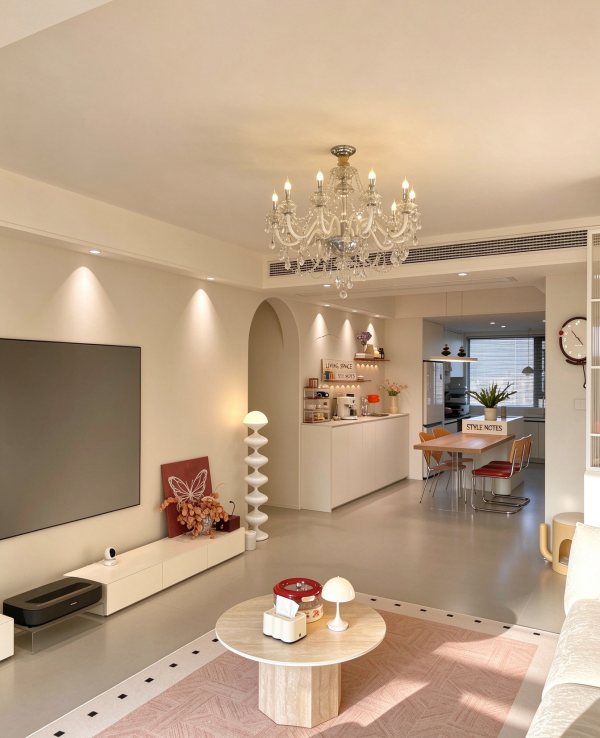
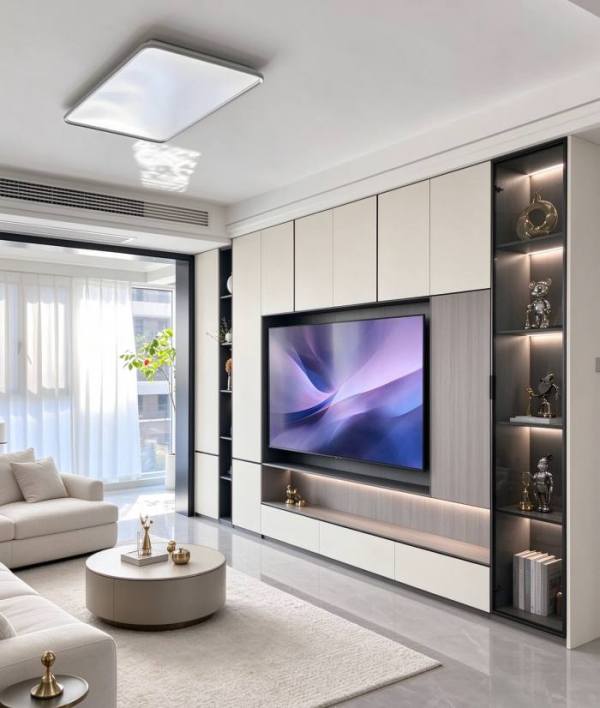
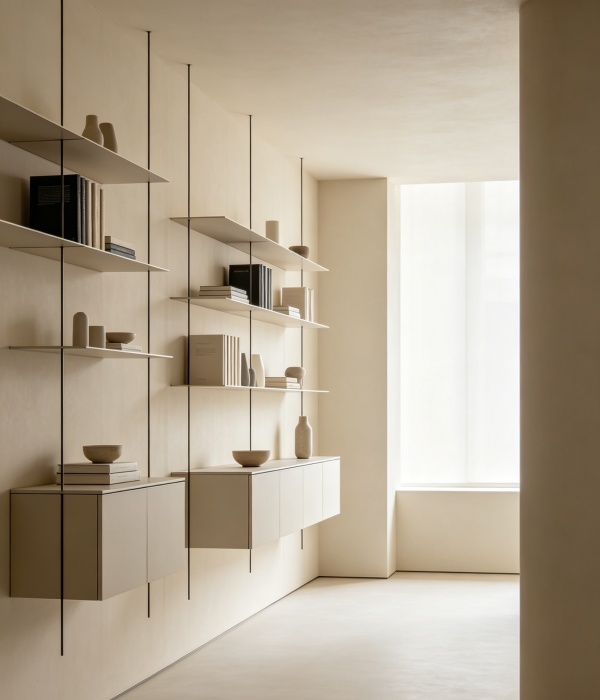
The living room renovation adheres to three core principles: cutting clutter, expanding space through visual negative space, and hidden organization. I removed the bulky floor TV cabinet and redundant decorative furnishings, replacing them with wall-mounted floating storage cabinets to achieve a seamless wall-cabinet visual effect. This effectively elevates the perceived ceiling height and perfectly resolves the oppressive feeling common in small homes. Inside the cabinet, freely adjustable modular shelves can be flexibly reconfigured to fit the dimensions of books, digital devices, decor pieces and household stock, accommodating all storage scenarios. To tackle the universal problem of messy cables, I implemented a full hidden cable management overhaul. All wiring for audio-visual equipment, internet and charging is consolidated, leaving no exposed cords throughout the space. The room feels open, uncluttered and brimming with a tech-inspired vibe. After trimming excess soft furnishings, ample blank space creates a relaxing, soothing atmosphere. Only simple daily wiping is required to keep it tidy, greatly cutting housework maintenance efforts.
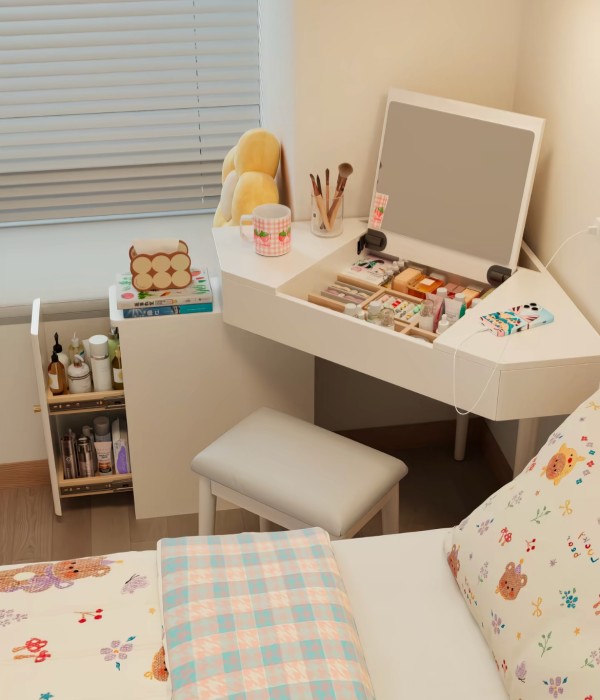
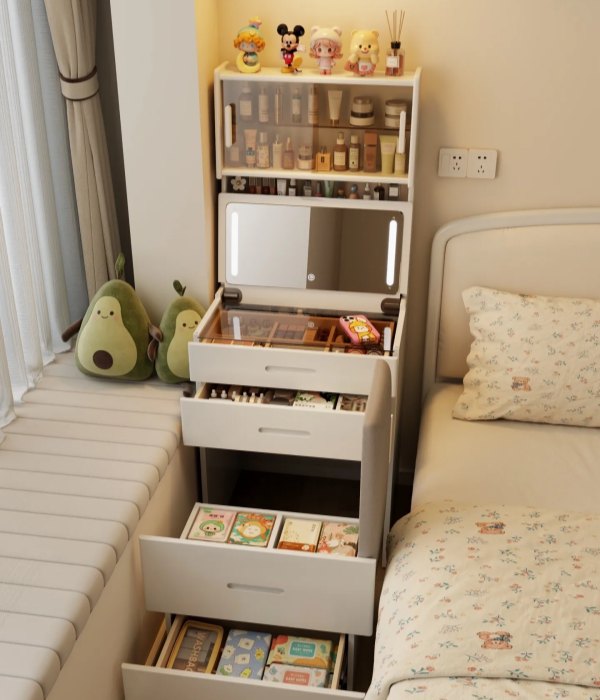
For bedroom storage, I completely discarded the inefficient stacking and hoarding habits of older generations and adopted a dynamic hanging storage framework. After tearing out the old wardrobe with fixed shelves, I installed a freely assembled, height-adjustable modular system. Sturdy yet lightweight, its structure dynamically adapts to seasonal clothing and changing storage volumes. Trench coats, jackets, shirts and trousers are all hung up, keeping garments wrinkle-free and fully visible. No more rummaging and reorganizing, which drastically speeds up morning outfit selection. The space features clear hierarchical zoning: the top section stores bedding and large off-season items, the middle holds everyday outfits, and divided lower compartments house underwear, socks and small accessories. The layout has no piles, dead corners or redundancies. Its cool-toned minimalist tech aesthetic rids the bedroom of the old stuffy, cramped atmosphere, balancing comfort and premium texture.
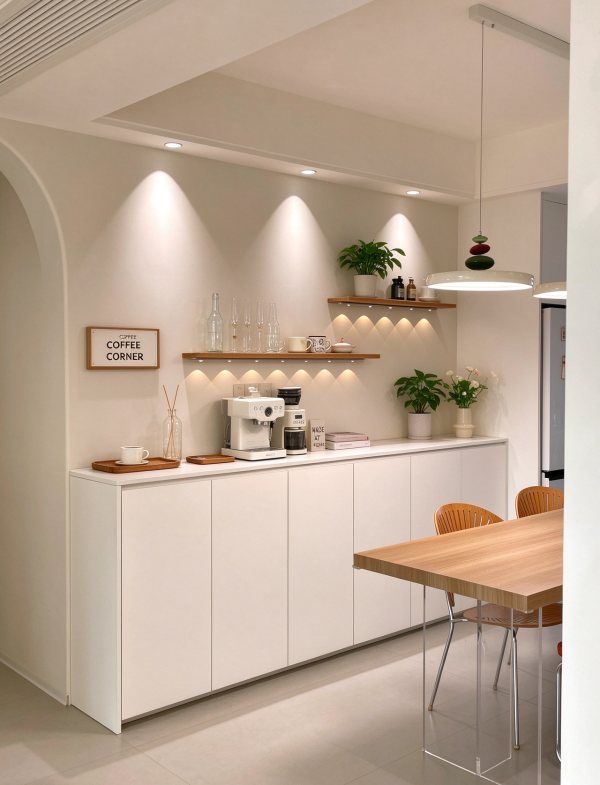
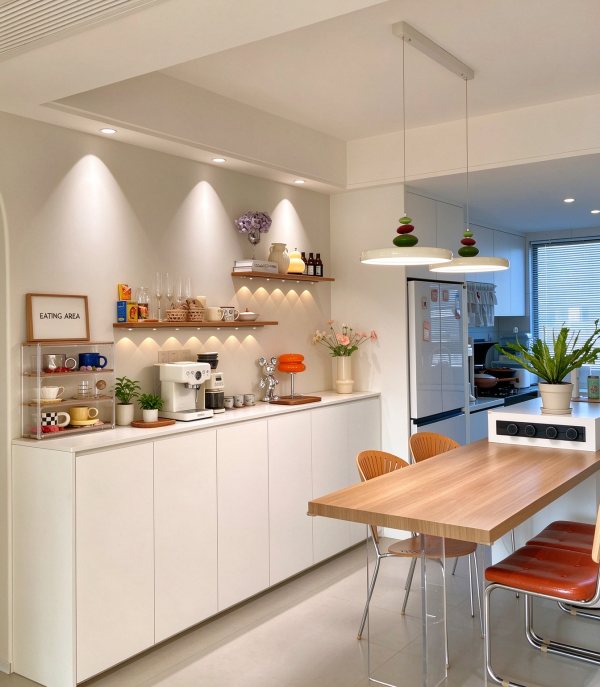
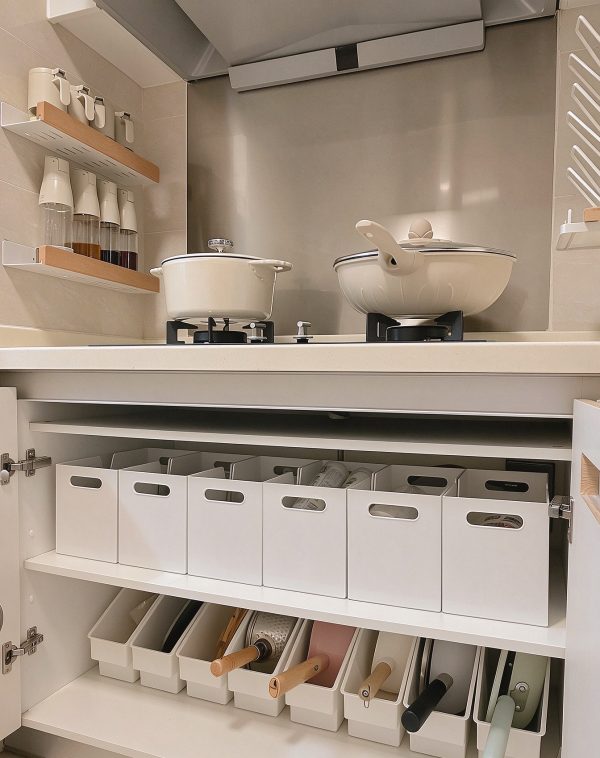
The kitchen storage upgrade fully adopts an optimized logic of zero countertop clutter, vertical space expansion, and refined zoning. I completely cleared all exposed items from the countertop to restore a smooth, uninterrupted cooking workflow, shifting the core storage focus from flat countertop surfaces to vertical wall spaces and cabinet interiors. Ultra-thin wall-mounted systems hold various kitchen utensils vertically without occupying counter space, allowing efficient access and neat replacement. Inside the cabinets, pull-out baskets, divided organizers, and airtight storage jars precisely categorize seasonings, dry goods, ingredients, and tableware, delivering dust-proof, moisture-resistant, and well-structured storage. With all scattered kitchen tools and stocked ingredients fully hidden, the countertop stays empty and clean long-term. The cooking workflow becomes seamless, post-meal cleaning workload is greatly reduced, and daily maintenance efficiency is significantly improved.
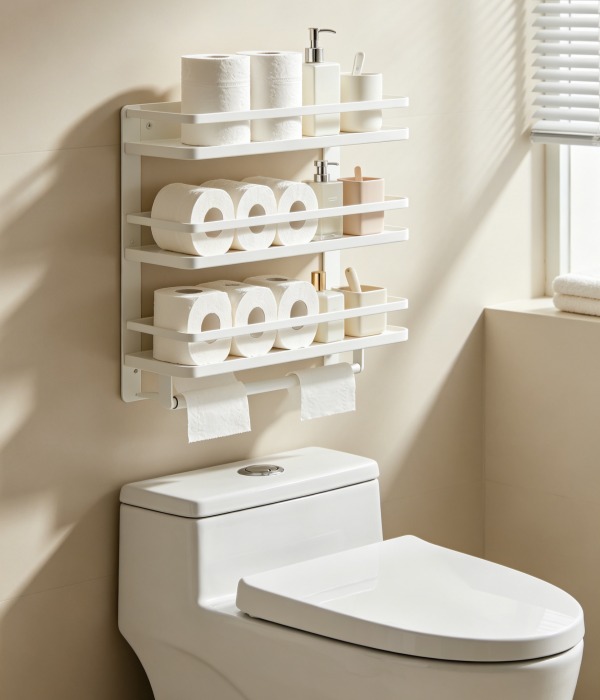
The bathroom renovation strictly follows the design principles of wet-dry separation, categorized small-item organization, and hidden storage. I completely eliminated the habit of random countertop stacking. By utilizing slim gap storage racks, drawer dividers, and wall-mounted components, I achieved precise classified storage for beauty products, toiletries, and cleaning supplies. The vanity countertop remains dry and spacious all year round, fundamentally preventing water stain buildup and bacterial growth. Previously wasted corner and narrow gaps are fully repurposed to store household reserves and cleaning tools, while wall-mounted storage keeps daily items away from humid areas to maintain dryness and tidiness. The renovated bathroom feels fresh, open, and consistently organized, completely getting rid of the old damp and cluttered living condition.
The implementation of full-home tech-aesthetic storage design brings a qualitative upgrade to residential experience. Before renovation, disorderly item stacking, chaotic movement routes, and cramped, enclosed spaces meant tidiness relied entirely on frequent and labor-intensive manual upkeep — a time-consuming, unsustainable routine that caused constant clutter rebound and severe household exhaustion. After the upgrade, supported by scientific modular structures, accurate zoning layout, and hidden visual design, the whole house achieves structural and long-lasting tidiness. Frequent sorting and rearrangement are no longer required, spatial order remains stable in the long run, and the vicious cycle of repeated tidying and recurring mess is thoroughly resolved.
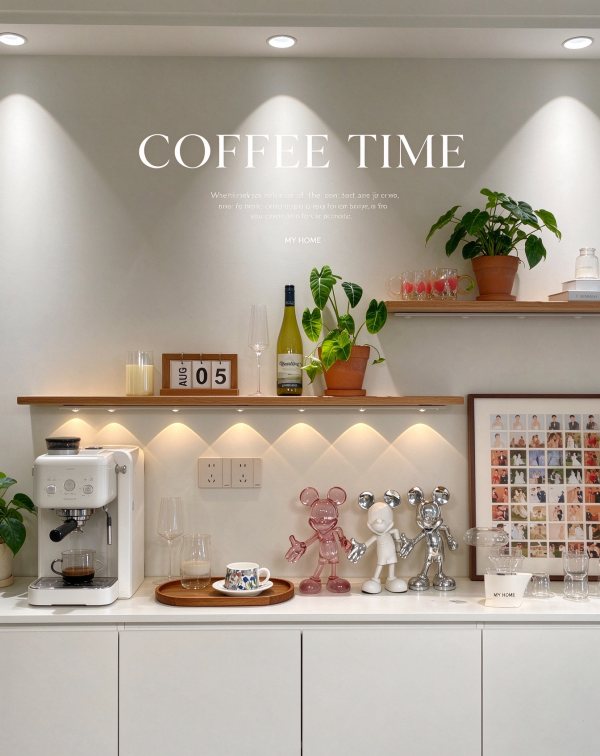
From an aesthetic perspective, the home features a unified low-saturation minimalist color scheme, straight geometric lines and integrated hidden structures. Free of redundant decorations and bulky stacking, it completely sheds the dated, cheap look of traditional home renovations. The space feels airy, premium, timeless and calming, perfectly matching the mainstream aesthetic tastes of today’s young people. From a practical standpoint, the new storage system allocates a dedicated spot for every item, enabling quick access and easy replacement, and putting an end to pointless rummaging and repeated tidying. The dynamically adjustable modular structure adapts to seasonal shifts, updated belongings and changing living habits. It remedies the weaknesses of conventional cabinets — rigid design, wasted space and poor flexibility — and greatly boosts the overall utilization of home space.
The greatest value of this storage upgrade is the full de-involution of domestic life. Traditional storage relies 70% on manual upkeep and only 30% on structural support, constantly draining your time and energy. By contrast, modern tech-aesthetic storage depends 70% on scientific structural design and merely 30% on simple maintenance. It curbs clutter at the design source, fully freeing your hands, and transforms home life from draining burnout into relaxed comfort.
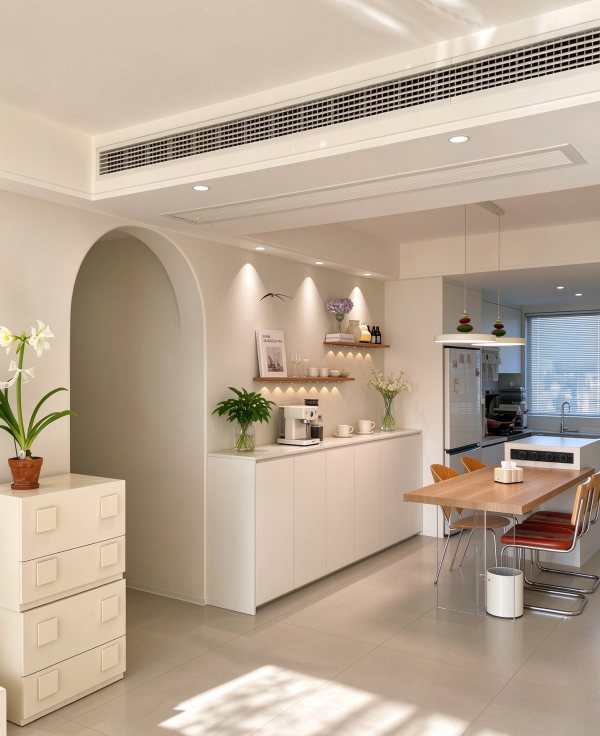
After long-term real-world testing, I’ve come to truly realize that this new storage trend popular among young people is far more than just internet marketing hype. It is a proven, mature space optimization system tailored for modern living environments. Older generations prioritize maximizing storage capacity at the cost of aesthetics, efficiency and time. Young people, by contrast, aim for optimized spatial order, balancing aesthetic texture, practical efficiency and low maintenance costs.
Truly high-quality home life never means mindless stacking of expensive hard furnishings. Instead, it relies on stable spatial order, an open and clean visual atmosphere, and a low-effort, relaxed lifestyle. Full home renovation or huge investment is unnecessary. Simply upgrading your storage mindset and optimizing spatial structures can elevate the quality of an ordinary residence. This new storage method, which reconstructs space through technology and enriches life with aesthetics, perfectly matches the lifestyle and housing philosophy of today’s young people. It has become the mainstream trend in modern home upgrades, and the optimal solution for ordinary people to build a long-term tidy, relaxed and comfortable living space.
Leave a Comment